---
title: "Shop provider"
slug: "shop-provider"
abstract: ""
---
# Shop provider
Connect introduces the concept of a shop provider. The role of the shop provider is to provide shop information to the service layer on every call.
The shop provider is configurable and you can introduce specific storefront implementations when necessary.
The`Sitecore.Commerce.config` file defines the following provider and shop entity configuration:
```xml
```
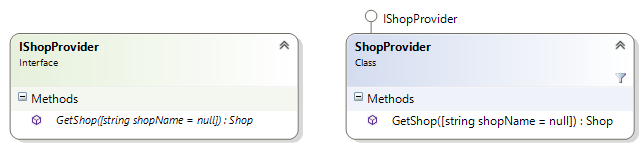
A shop provider implements the `IShopProvider` interface. You must implement the `GetShop()` method.
| **Name** | **Description** |
| --- | --- |
| **shopName** | When specified, the shop provider must return information for the given *shopName.* When , it must return information about the current shop. |
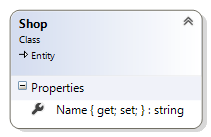
The default implementation returns an instance of the `Shop` class and populates the `shopName` property. The `shopName` property is by default taken from the `Sitecore.Context.Site.Name` value or an empty string if it is not specified. When given a `shopName`, it simply populates the returned shop information with this information. This should be adequate for most storefront implementations.
The base `ServiceProviderRequest` class exposes a Shop property and is populated by calling any service provider method.
| **Name** | **Description** |
| --- | --- |
| `Name` | The name of the shop. |
Since every service request now populates the Shop information, the `shopName` properties of existing requests are marked as obsolete. In order not to break any existing implementation of Connect, the `ShopName` properties of existing requests will keep working until we remove it in a future version. This means that all existing code that sets the `shopName` property explicitly will continue working until the property is removed from all requests.